Rack SWL: Understanding Safe Weight Load Requirements in Singapore Warehouses
In Singapore’s fast-moving logistics and industrial sectors, safety and efficiency go hand-in-hand. One crucial aspect that ensures both is the proper understanding and implementation of Safe Weight Load (SWL) labeling for warehouse racking systems.
Failing to follow SWL guidelines doesn’t just jeopardize your inventory—it puts lives at risk.
⚠️ What Is Safe Weight Load (SWL)?
SWL refers to the maximum load a rack component—such as a beam or upright—can safely support during regular operations. It’s determined through engineering calculations, load testing, and certification by rack manufacturers.
For example:
- Beam SWL: Maximum load per shelf level.
- Bay SWL: Total load across the full rack structure.
🇸🇬 SWL Guidelines in Singapore
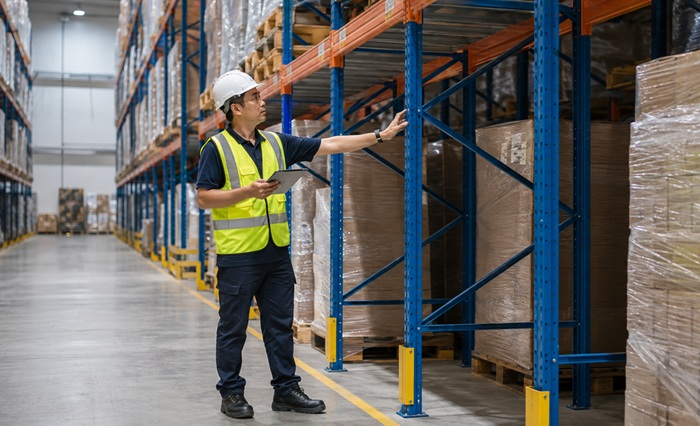
Singapore’s Workplace Safety and Health (WSH) regulations mandate clear, visible labeling of SWL on storage racks. This aligns with standards for accident prevention and material handling safety in commercial spaces, logistics hubs, and industrial sites.
Key points:
- SWL labels must be installed before commissioning the racks.
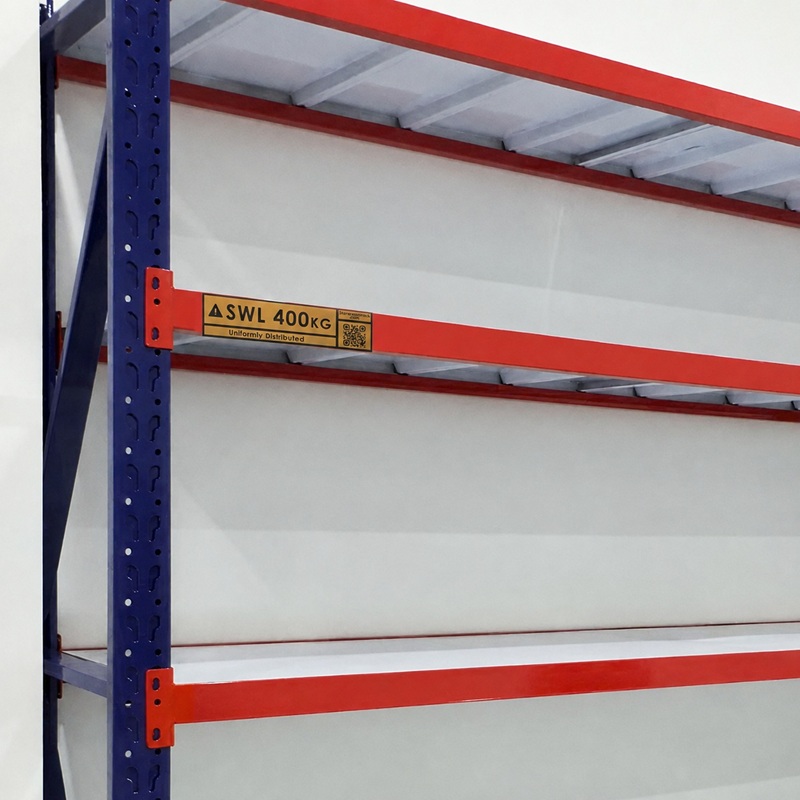
- Labels should be legible, durable, and placed at eye level.
- Regular inspections are required to ensure label integrity and compliance.
🏷️ Labeling Your Rack System: What to Include
A compliant SWL label should include:
- Rack ID (e.g., A-03-02 for Aisle A, Bay 3, Level 2)
- Maximum load per level (in kg or tonnes)
- Total bay SWL
- Date of installation or certification
- Company name or logo (optional but professional)
🛠️ Installation Tips
- Clean surfaces before applying labels for strong adhesion.
- Place labels between 1.5m to 2m high for optimal visibility.
- Avoid obstructing labels with stored goods.
🔄 Maintenance & Safety Checks
Ongoing maintenance isn’t optional—it’s essential:
- Conduct monthly visual checks for faded or damaged labels.
- Ensure staff are trained on interpreting SWL information.
- Update labels after rack reconfiguration or load recalibration