Safe Use of Storage Racks in Warehouses – What Every Business Must Know
Prevent Accidents. Protect Lives. Stay Compliant.
In recent years, workplace safety incidents involving storage racks have highlighted a serious issue in Singapore’s industrial and commercial sectors. To address this, the Ministry of Manpower (MOM) issued a circular outlining the safe use of storage racks, following multiple rack collapse accidents, including fatal ones.
If your business operates a warehouse, factory, or retail storage area, it’s vital to understand and implement these guidelines—not just to comply with regulations, but to ensure the safety of your team and protect your assets.
🔍 Why This Matters
Improper use, overloading, or lack of maintenance of storage racks can lead to catastrophic failures. In 2014 alone, a tragic incident resulted in three fatalities due to the collapse of a heavy-duty racking system.
The MOM’s WSH circular calls on all employers and occupiers to audit their existing racking systems and enforce proper safety measures across all warehouse operations. Companies found in breach of workplace safety standards may face enforcement action, including Stop Work Orders, fines up to S$500,000, and even prosecution.
3 Key Pillars of Safe Storage Rack Usage
Based on the MOM circular, here are the three essential pillars to ensure the safe use of storage racks in any commercial or industrial setting:
1. ✅ Proper Design & Engineering
Your racking system must be fit for purpose:
-
Choose racks based on the weight, dimensions, and type of goods being stored.
-
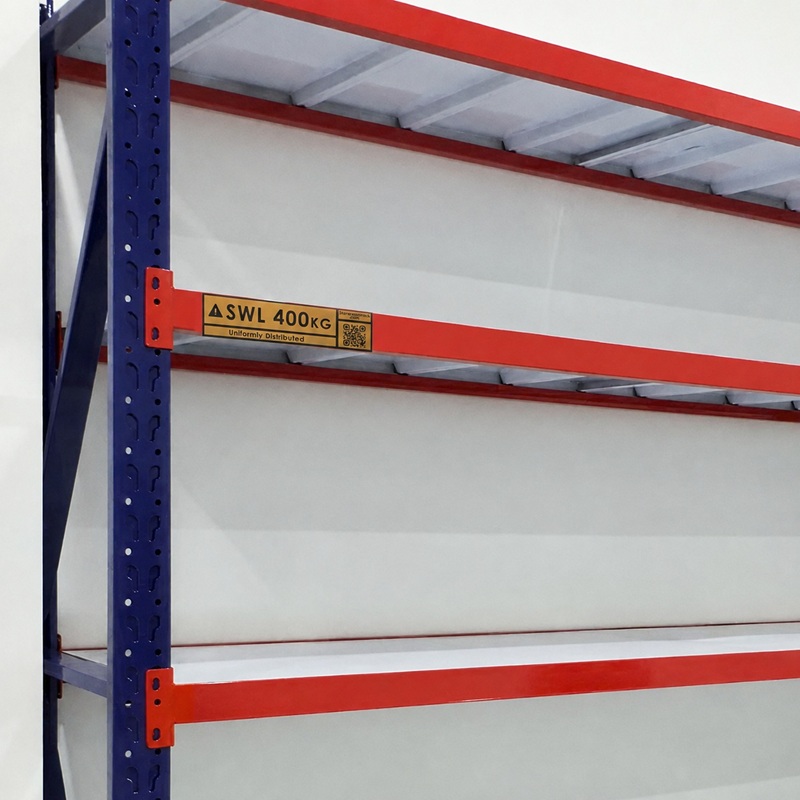
Safe Working Load (SWL) should be clearly labeled on each rack.
-
Provide safe access for stacking and unstacking goods, especially at height.
-
Consider environmental factors like humidity, corrosion, or forklift traffic.
-
Reassess the design if there are any changes in inventory types or configurations.
Tip: Always work with a certified commercial metal rack supplier who understands Singapore's WSH compliance standards.
2. 📦 Safe Operation & Usage
Even a well-designed rack is only safe when used correctly:
-
Operate all racks according to the manufacturer’s instructions.
-
Conduct a risk assessment before usage begins.
-
Ensure goods are stacked evenly and do not exceed the maximum load limits.
-
Train staff on loading practices, hazard awareness, and emergency procedures.
Remember: Improper stacking or overloading can lead to sudden structural collapse.
3. 🛠 Regular Maintenance & Inspections
Like any structural system, racks require routine upkeep:
-
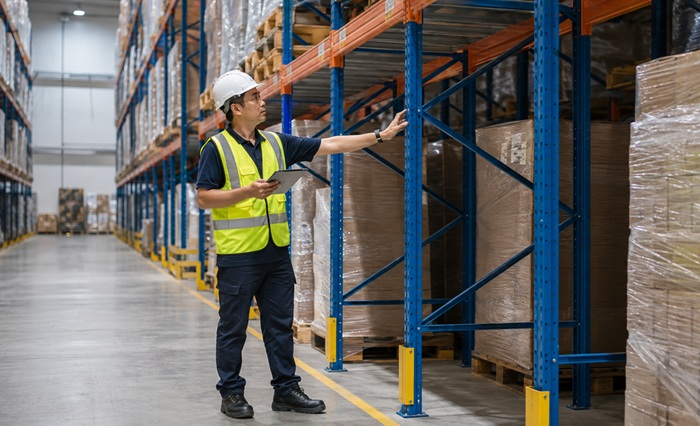
Conduct visual inspections for damage, corrosion, or missing components.
-
Follow the manufacturer’s recommended maintenance schedule.
-
Immediately repair or replace any damaged sections before further use.
-
Keep records of all maintenance and inspections for accountability.
Neglected racks are silent hazards. What looks stable today could collapse tomorrow.
🧭 How Your Business Can Stay Compliant
-
Audit Your Current Racking System
Check that it’s structurally sound, properly labeled, and installed by professionals. -
Implement Risk Assessments
Before any rack use, identify potential hazards and set safe operating procedures. -
Educate Your Workforce
Ensure all staff handling racks are trained on WSH guidelines and safe stacking practices. -
Schedule Inspections
Log inspections, fix any faults, and never delay maintenance.
🏆 Safety is Not an Option—It's a Responsibility
As warehouse operators, store owners, and logistics professionals, ensuring the safe use of storage racks isn’t just about ticking regulatory checkboxes—it's about protecting lives and keeping your business running smoothly.
If you’re unsure whether your existing racking system complies with MOM’s guidelines, we can help.
🔧 Need Help? We’re Here.
As a trusted supplier of heavy duty racking, warehouse metal shelving units, and industrial store racks, we can help you:
-
Audit your current setup
-
Provide WSH-compliant racking solutions
-
Train your team on safe rack handling
📞 Contact us today for a site consultation or quote.